> For the complete documentation index, see [llms.txt](https://aenosh-rajora.gitbook.io/cyber-codex/llms.txt). Markdown versions of documentation pages are available by appending `.md` to page URLs; this page is available as [Markdown](https://aenosh-rajora.gitbook.io/cyber-codex/a-deep-dive-into-the-ransomware-timeline-and-its-shadow-empire.md).

# A Deep Dive into the Ransomware Timeline and Its Shadow Empire

<figure><img src="https://cdn-images-1.medium.com/max/800/1*N8bEzv9k73PgAM-_RHWEDQ.jpeg" alt=""><figcaption></figcaption></figure>

## Terminology Used <a href="#id-8abd" id="id-8abd"></a>

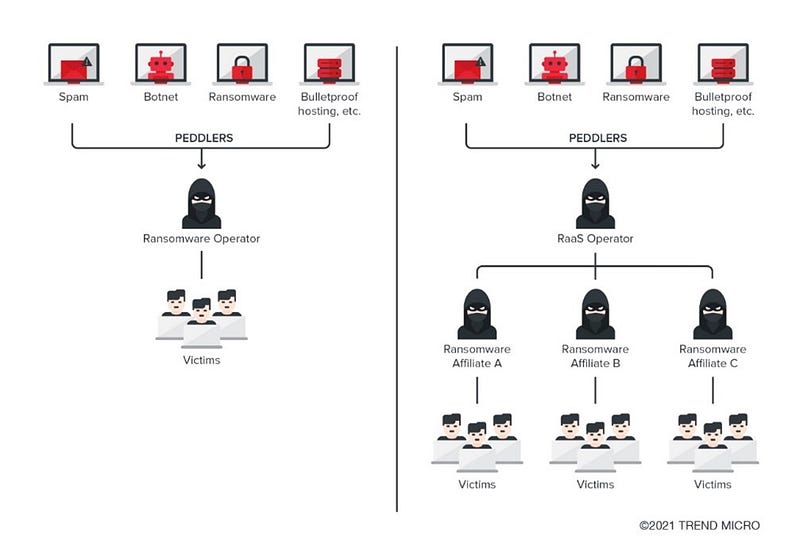
* **Affiliate:** An operator who rents or uses a RaaS platform to launch attacks, usually receiving a percentage of the ransom paid.
* **Initial Access Broken (IAB):** A cybercriminal who sells access to already-compromised networks, often partnering with ransomware actors.
* **Double Extortion: A** Tactic where data is both encrypted and exfiltrated, with ransom demands for both decryption and preventing data leaks.
* **Dedicated Leak Site (DLS):** Public site (often on the dark web) where ransomware groups publish stolen data as pressure during negotiations.
* **Builder:** Tool provided by RaaS operators to affiliates to generate customized ransomware payloads.
* **Panel/Dashboard:** Web Interface used by affiliates to manage victims, build payloads, track infections, and communicate.
* **Cypter:** A software tool that obfuscates malware to evade detection.
* **Locker:** A type of ransomware that locks users out of devices rather than encryption files.
* **Stealer logs:** Data collected from infostealers, including credentials and session cookies; often used for lateral movement or resale.

<figure><img src="https://cdn-images-1.medium.com/max/800/0*Kaff4gprh8PUJWoC.jpg" alt=""><figcaption></figcaption></figure>

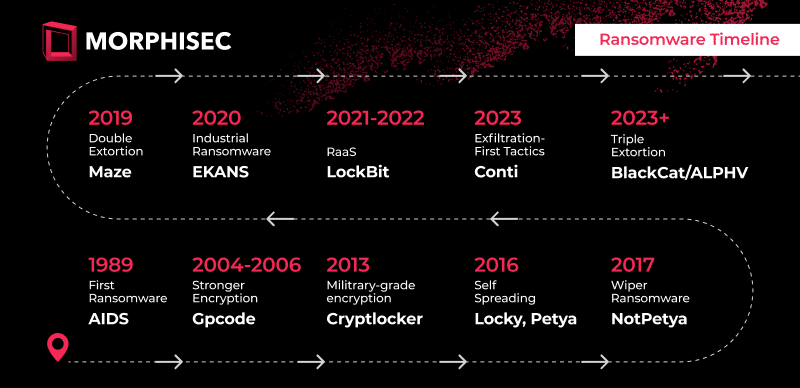
## Timeline of Ransomware <a href="#id-70f5" id="id-70f5"></a>

<figure><img src="https://cdn-images-1.medium.com/max/800/0*77qM_v7KkrXeaxeL.png" alt=""><figcaption><p>Ransomware Timeline. Source: Morphisec</p></figcaption></figure>

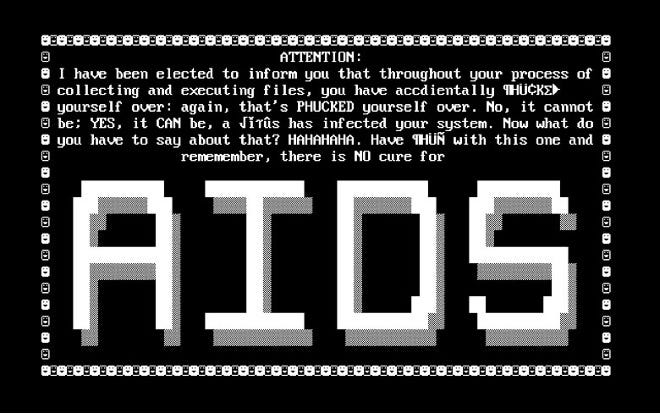
### **1989: The First Sting — AIDS Trojan**

* **Technique:** Boot-time logic bomb inserted via `autoexec.bat` , encrypting file system names.
* Delivery: Mailed on 5.25" floppies under the guise of AIDS research software.
* Payload Mechanics: Renamed directory entries with hidden flags; triggered after 90 boots.
* Payment Scheme: Instructed users to send $189 to a PO box in Panama physically.

<figure><img src="https://cdn-images-1.medium.com/max/800/0*y83T_34o2AZZIX6E.jpg" alt=""><figcaption><p>AIDS Trojan</p></figcaption></figure>

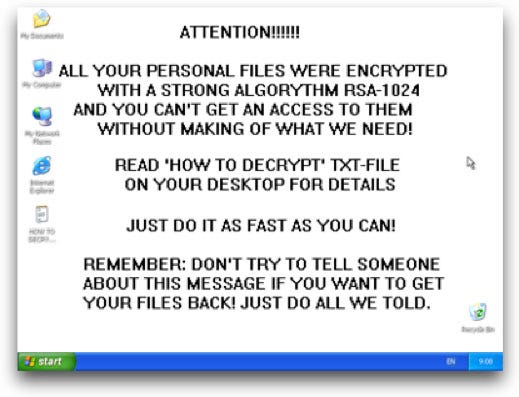
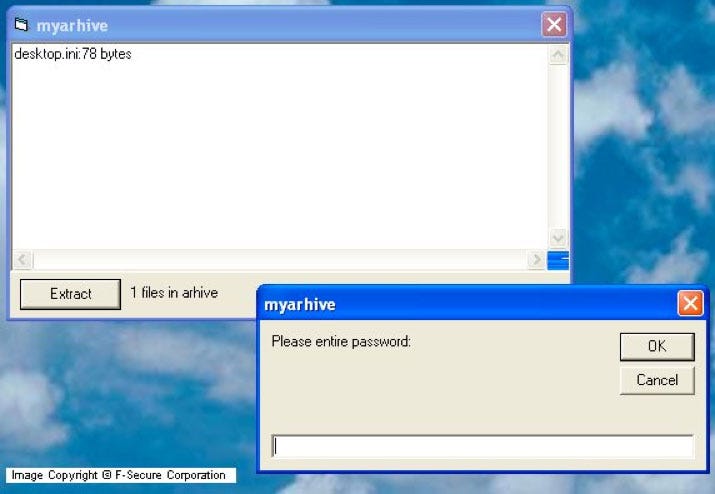
### **2005–2006: GpCode, Archiveus**

* GpCode.AK: Used 1024-bit RSA encryption, infected via fake downloads.
* Technical Note: Poor RNG + hardcoded keys made decryption feasible with known-plaintext attacks.
* Evolution: Archiveus demanded online payments through pharmaceutical scam sites.

<figure><img src="https://cdn-images-1.medium.com/max/800/0*v9Z1s2MpxRC8d5Yz.jpg" alt=""><figcaption><p>GpCode</p></figcaption></figure>

<figure><img src="https://cdn-images-1.medium.com/max/800/0*xH9WMPu-SW8FdPoC.jpg" alt=""><figcaption><p>Archiveus</p></figcaption></figure>

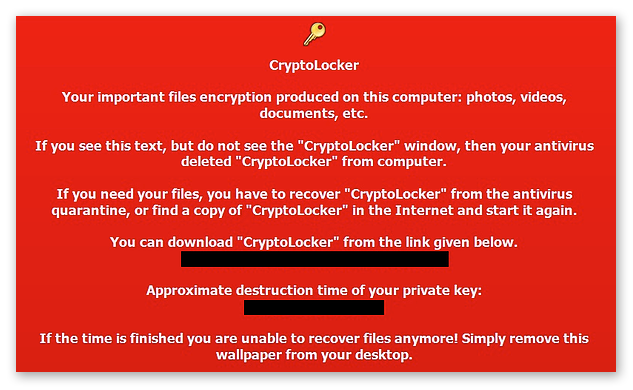
### **2013: CryptoLocker**

* Payload Behavior: AES + RSA combo. AES encrypted local files, key encrypted via remote RSA pubkey.
* Spread Vector: ZeuS botnet, malicious PDFs, ZIP email attachments.
* Network Behavior: Beacons out to C2 via harcoded IPs and DGA (Domain Generation Algorithm).
* Countermeasures: GameOver takedown + decryption tool by security firms.

<figure><img src="https://cdn-images-1.medium.com/max/800/0*ZHlyw4Iln-RhEIaj.png" alt=""><figcaption><p>CryptoLocker</p></figcaption></figure>

### **2015–2016: Tox, Satan — Rise of Ransomware-as-a-Service (RaaS)**

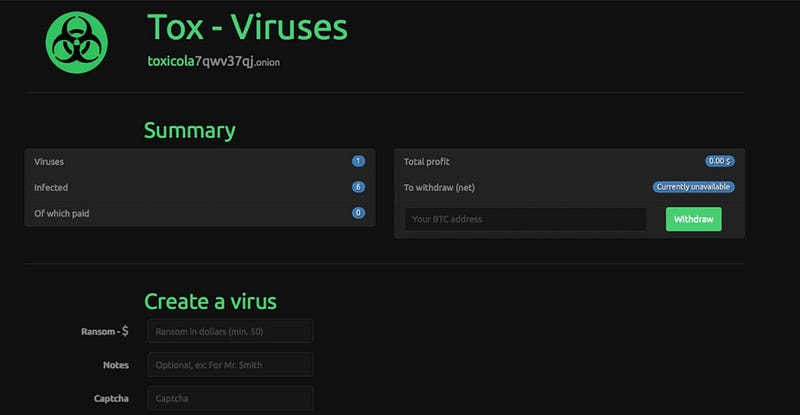
* Innovation: Tor-based builders with affiliate revenue tracking.
* Satan: Browser-based panel with real-time infection telemetry, supported user-generated EXEs.
* Notable Behavior: Payloads polymorphism and optional anti-debug features.
* Programming Language: Early versions built in Python, later obfuscated in .NET/C++ hybrids.

<figure><img src="https://cdn-images-1.medium.com/max/800/0*1_-THopS57il4JKu" alt=""><figcaption><p>Tox Ransomware</p></figcaption></figure>

<figure><img src="https://cdn-images-1.medium.com/max/800/0*WWNE6LxTzDZdVFkJ.png" alt=""><figcaption><p>Satan Ransomware</p></figcaption></figure>

### **2017: WannaCry & NotPetya**

**WannaCry:**

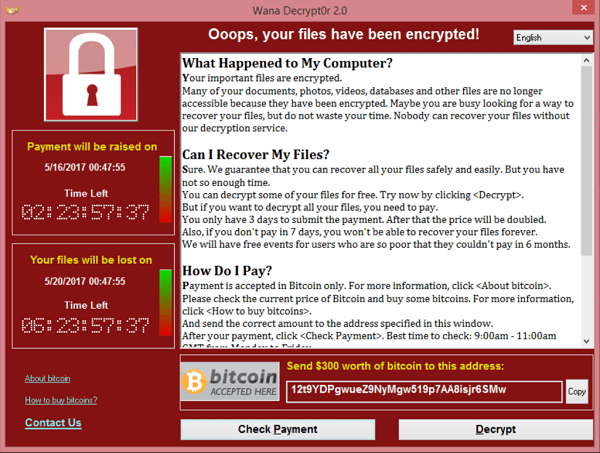
* Used NSA-leaked EternalBlue (SMBv1 buffer overflow).
* Worm-like propagation in LANs via shellcode injection.
* Kill switch domain discovered by sinkholing behavior.

<figure><img src="https://cdn-images-1.medium.com/max/800/0*m3zeNyrtDKBEz43F.png" alt=""><figcaption><p>WannaCry</p></figcaption></figure>

**NotPetya:**

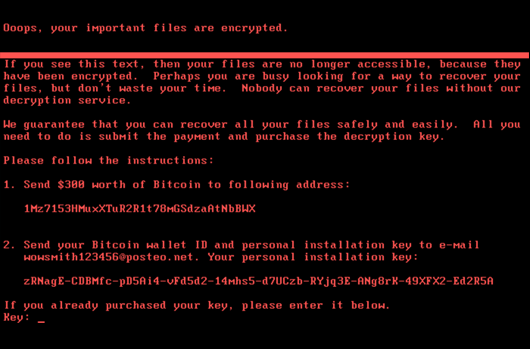
* Spread via compromised Ukrainian tax software.
* Modified MBR (Master Boot Record); encrypted filesystem irreversibly.
* Most likely a nation-state tool disguised as ransomware.

<figure><img src="https://cdn-images-1.medium.com/max/800/0*kiG5rM80V21oef-S.png" alt=""><figcaption><p>NotPetya</p></figcaption></figure>

### **2018–2020: GandCrab, Maze, REvil**

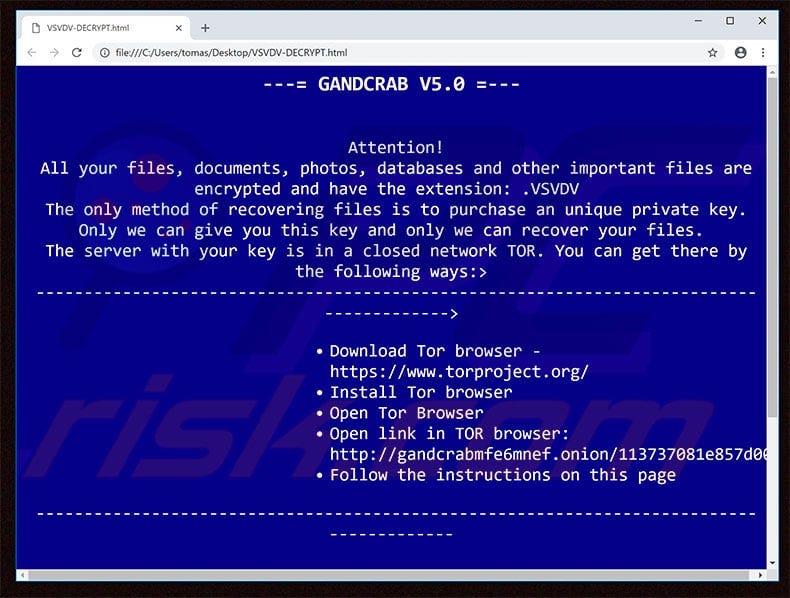
* **GandCrab:** Used RIG exploit kits, shifted to MalSpan with document macros.

<figure><img src="https://cdn-images-1.medium.com/max/800/0*sQE_C5DUdJ3DR2LU.jpg" alt=""><figcaption><p>GandCrab</p></figcaption></figure>

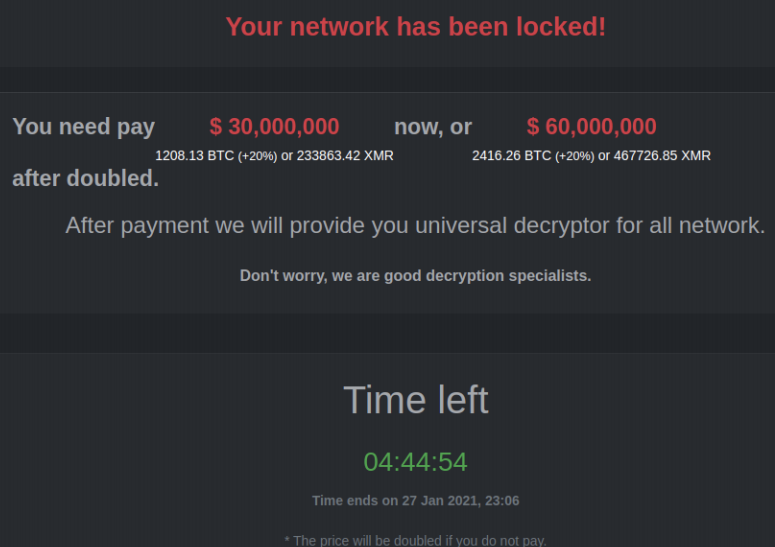
* **REvil (Sodinokibi):** Delivered via MSP-targeted RMM tools and CVE-2019–2725.

<figure><img src="https://cdn-images-1.medium.com/max/800/0*m5l-HG2JnNZjWcsU.png" alt=""><figcaption><p>REvil Ransomware Note</p></figcaption></figure>

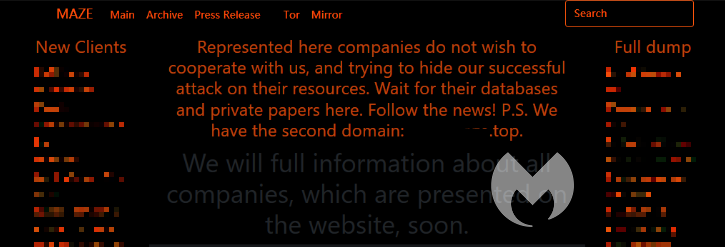
* **Maze:** Introduced pre-encryption data theft, pressuring via public leaks.

<figure><img src="/files/aywQpx3pta9llWbIk09y" alt="Maze"><figcaption><p>Maze</p></figcaption></figure>

* **Tools Used:** Cobalt Strike, SMB Scanner, RDP brute-forcers (e.g., NLBrute).

### **2021: Colonial Pipeline Breach (DarkSide)**

* Initial Vector: Exposed VPN account lacking MFA.
* Privilege Escalation: BloodHound + Active Directory misconfigs.
* Payload Deployment: PSExec to push the locker across endpoints.
* Result: Critical Infrastructure shut down, $4.4M ransom paid, partial crypto clawback by FBI.

<figure><img src="https://cdn-images-1.medium.com/max/800/0*Cyl4QLR7AIRf-w_f.png" alt=""><figcaption><p>DarkSide Ransomware Note</p></figcaption></figure>

### **2022: Conti Leaks & LockBit Ascendancy**

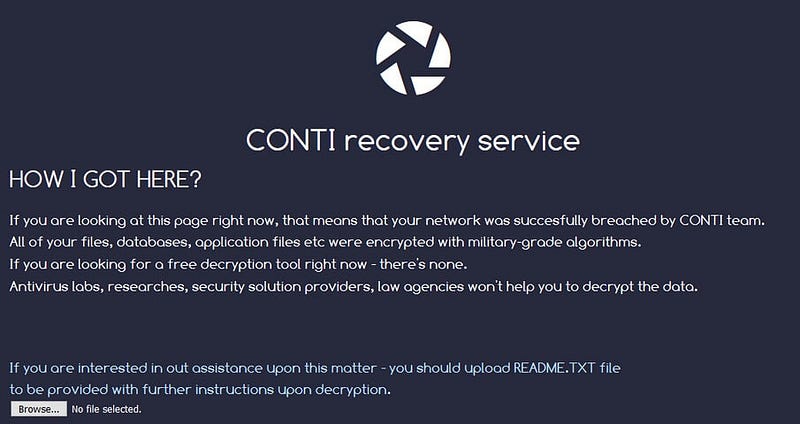
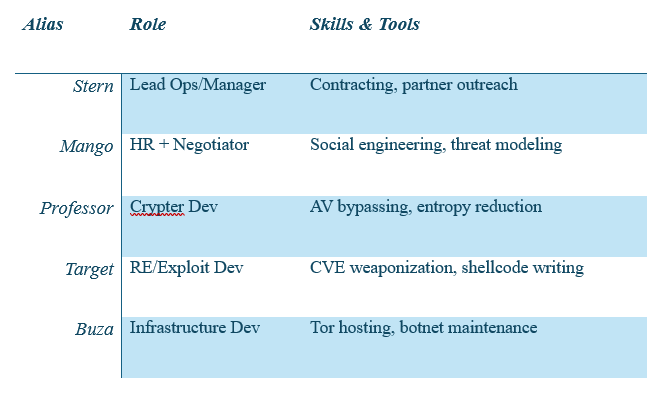
**Conti:** Sophisticated org with DevOps, HR, and QA teams.

* Used TrickBot, BazarLoader, and Cobalt Strike.
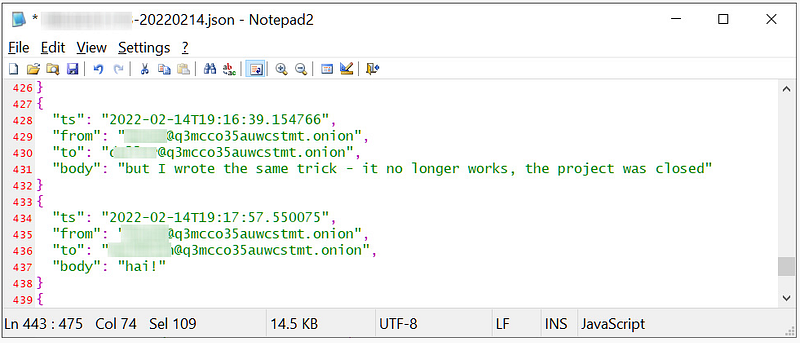
* Leaked Internal Jabber logs showed code review, bug triaging.

<figure><img src="https://cdn-images-1.medium.com/max/800/0*x7PGYB4_6Yu51bEW.jpg" alt=""><figcaption><p>Conti Leak Page</p></figcaption></figure>

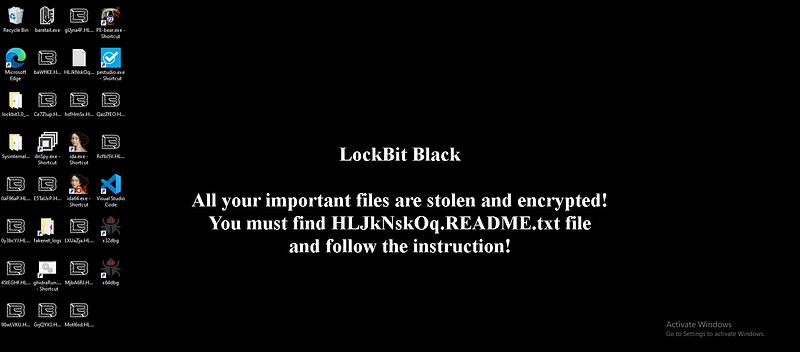
**LockBit 3.0:** Introduced ransomware bug bounty, improved locker speed, offered DDoS for non-compliant victims.

<figure><img src="https://cdn-images-1.medium.com/max/800/0*EhjCBkbCYJCgCn-F.png" alt=""><figcaption><p>LockBit 3.0</p></figcaption></figure>

### **2023–2024: Fragmentation & Op Cronos**

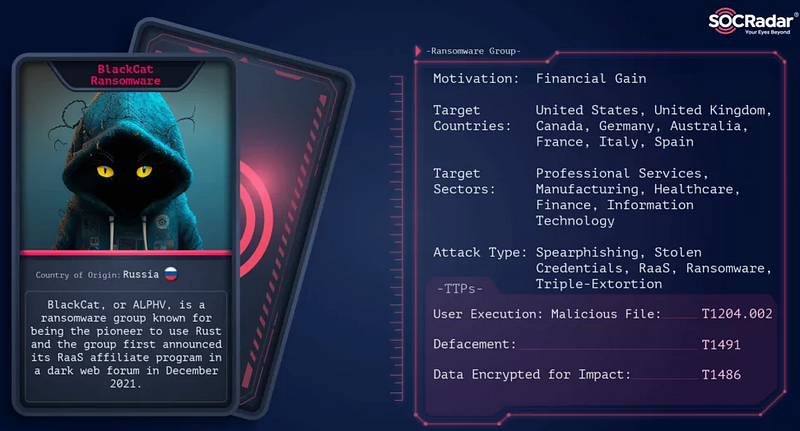
* **BlackCat (ALPHV):** Rust-based, ESXi-aware, token-aware.

<figure><img src="https://cdn-images-1.medium.com/max/800/1*VSg8nYJTBLLj02YM5-7dQQ.png" alt=""><figcaption></figcaption></figure>

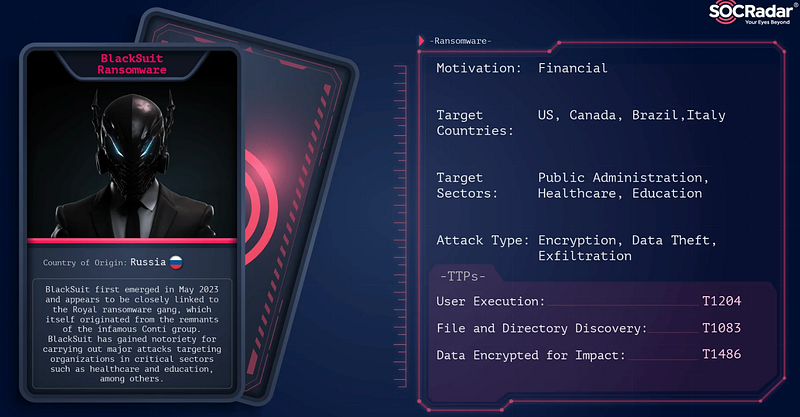
* **BlackSuit:** Conti successors with better OPSEC.

<figure><img src="https://cdn-images-1.medium.com/max/800/1*h0AWYH8z9urraeJxe9rsaQ.png" alt=""><figcaption><p>BlackSuit Ransomware</p></figcaption></figure>

* **Operation Cronos:** Global LEE Operation; decrypted LockBit’s panel backend and takedown of infrastructure.

### **2025: Decentralized Chaos + Solo Affiliates**

* **BYO Leak Sites:** Each affiliate runs personal Onion sites.
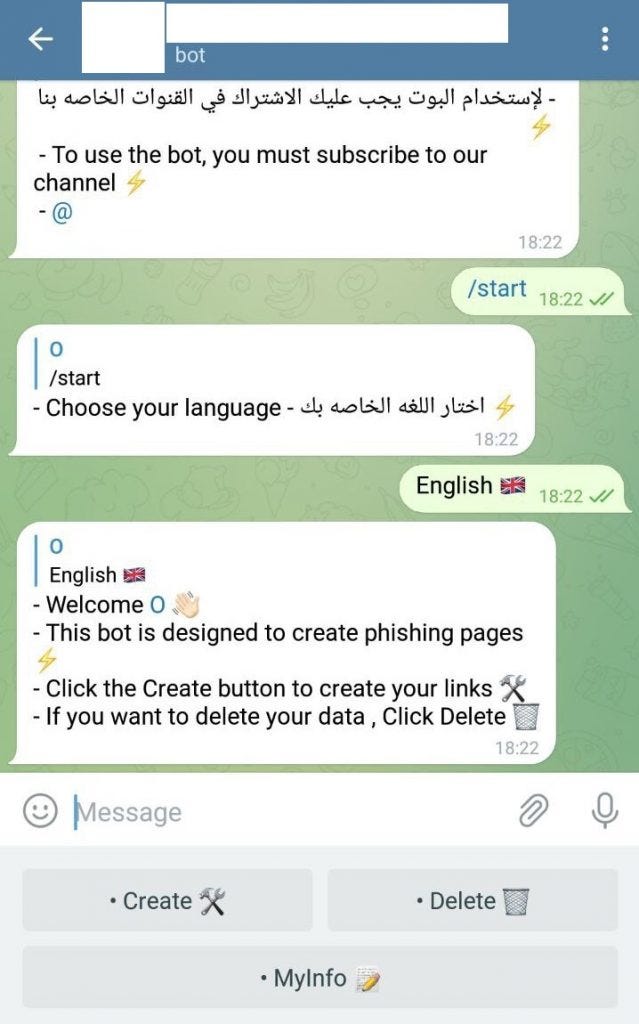
* **Negotiation Channels:** Telegram bots automation and crypto wallet APIs.
* **Payload Trends:** Obfuscated GoLang binaries, HTA droppers, callback beacons.

## The Conti Corporation: A Ransomware Startup at Scale <a href="#cb00" id="cb00"></a>

**Org Breakdown:**

<figure><img src="https://cdn-images-1.medium.com/max/800/1*mPOLSr9VMD_Y02Wx9vCdiA.png" alt=""><figcaption></figcaption></figure>

Back-Office Operations:

* Monthly affiliate KPIs
* Custom portals for each campaign
* Auto-generated decryption proof packages

<figure><img src="https://cdn-images-1.medium.com/max/800/1*un0RthQ-8Q4ZUCZYhvkLEA.png" alt=""><figcaption><p>Conti Internal Chat Leak</p></figcaption></figure>

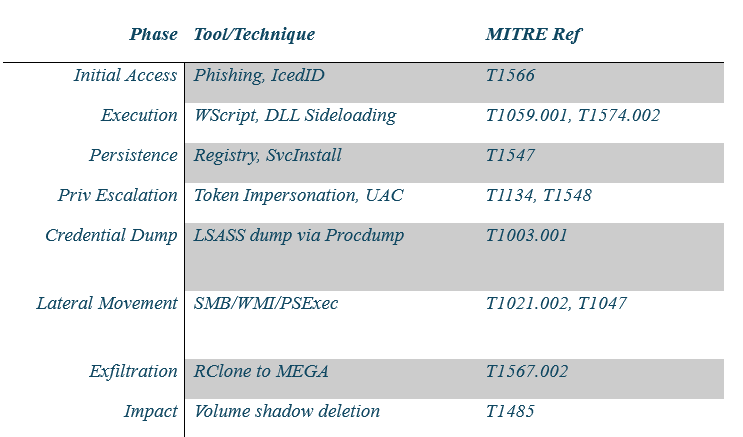
#### Modern Ransomware Kill Chains (MITRE Mapped) <a href="#id-4ebe" id="id-4ebe"></a>

<figure><img src="https://cdn-images-1.medium.com/max/800/1*YyFFGb7dTRJ5zpY2C3MyuA.png" alt=""><figcaption></figcaption></figure>

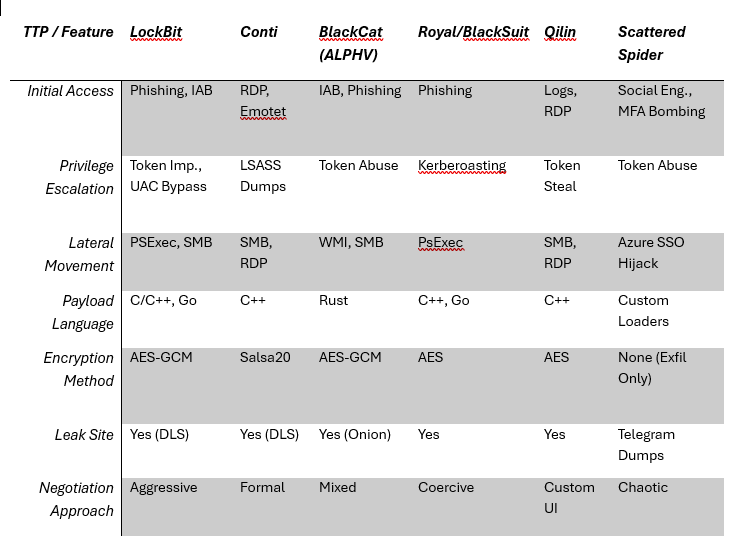
## **Top Threat Actors & Their Traits** <a href="#f632" id="f632"></a>

* **LockBit:** Automated locker delivery and customizable ransom UX.
* **BlackCat:** Rust-powered payloads with AES-GCM and multithreaded encryption.
* **Royal/BlackSuit:** Modular tools, used `.Royal` and `.BlackSuit` extensions.
* **Qilin:** Offers ransomware builder and legal advice templates for affiliates.
* **Scattered Spider:** Teen-led, Excel macro and MFA bombing focused.

<figure><img src="https://cdn-images-1.medium.com/max/800/1*kowq3-JdLbMM-I5uLceNCw.png" alt=""><figcaption></figcaption></figure>

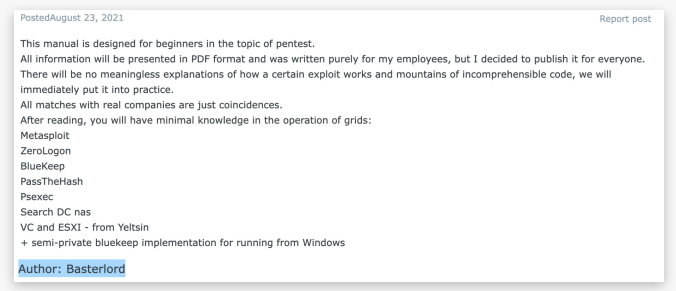
## The Bassterlord Manual Leak <a href="#b34a" id="b34a"></a>

* **TTPs Documented:** From initial NMAP sweeps to full AD pwnage.
* **Notable Scripts:** `Autodumper.bat` (LSASS auto-dump and base64 exfiltration).
* **Education Layer:** Taught IABs how to behave like pentesters.

<figure><img src="https://cdn-images-1.medium.com/max/800/1*pO5zyyyvUakJdDSgx2PYBA.png" alt=""><figcaption><p>Underground forum post with details to download Volume 1 of the Ransomware Manual</p></figcaption></figure>

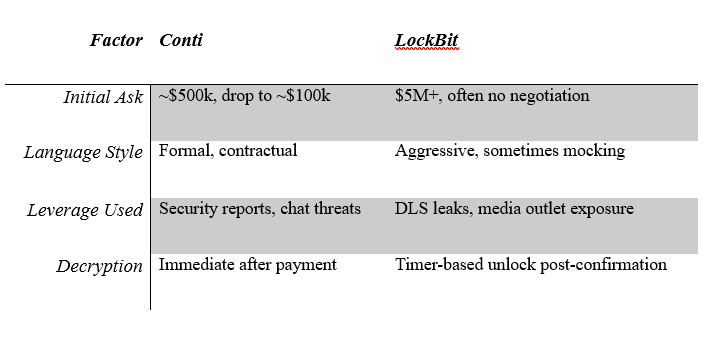
## LockBit vs Conti: Negotiation Engineered <a href="#f6bd" id="f6bd"></a>

<figure><img src="https://cdn-images-1.medium.com/max/800/1*OiCAfZsO1JV6H12Lolx3YQ.png" alt=""><figcaption></figcaption></figure>

## Current Landscape: Decentralized, Agile, Relentless <a href="#a708" id="a708"></a>

* Telegram bots with auto-ransom calculators
* Leaksites-as-a-Service (LAAS)
* C2 hosts embedded in NFT metadata
* Ransomware builders with AI-generated ransom notes
* Adversarial emulation is indistinguishable from pentesting.

<figure><img src="https://cdn-images-1.medium.com/max/800/0*HXDsPbBj7-fmcQOt.jpg" alt=""><figcaption><p>Telegram Phishing Bot Demo</p></figcaption></figure>

> What began as a crude threat on a floppy disk has now matured into a billion-dollar extortion empire running on anonymity, fear, and code. The next generation of ransomware won’t just encrypt files — it’ll exploit trust, weaponize automation, and disappear before we even know it was there. The question isn’t how we stop it… it’s whether we ever truly can.


---

# Agent Instructions
This documentation is published with GitBook. GitBook is the documentation platform designed so that both humans and AI agents can read, navigate, and reason over technical content effectively. Learn more at gitbook.com.

## Querying This Documentation
If you need additional information that is not directly available in this page, you can query the documentation dynamically by asking a question.

Perform an HTTP GET request on the current page URL with the `ask` query parameter, and the optional `goal` query parameter:

```
GET https://aenosh-rajora.gitbook.io/cyber-codex/a-deep-dive-into-the-ransomware-timeline-and-its-shadow-empire.md?ask=<question>&goal=<endgoal>
```

`ask` is the immediate question: it should be specific, self-contained, and written in natural language.
`goal` is optional and describes the broader end goal you are ultimately trying to accomplish on behalf of the user. GitBook uses it to tailor the answer towards what is most useful for that goal.

The response will contain a direct answer to the question and relevant excerpts and sources from the documentation.

Use this mechanism when the answer is not explicitly present in the current page, you need clarification or additional context, or you want to retrieve related documentation sections.